Laser engraving has quietly replaced a lot of manual and mechanical work across manufacturing. It is faster, more precise, and more repeatable than cutting a design by hand, and it leaves a permanent result that does not fade. This guide covers what laser engraving is, how it works, what it can be used on, and where it fits next to related processes.
Laser engraving uses a focused laser beam to remove material from a surface, cutting into it to create depth, relief, and a design you can feel. The beam follows a digital file, so the machine reproduces exactly what the artwork specifies, again and again, with no drift between pieces.
Because the design is cut into the material rather than printed on it, the result is permanent. It survives handling, heat, and cleaning, which is why engraving is trusted on tools, moulds, and products that have to carry a mark or a design for their entire working life.
The process is straightforward in principle. A digital design is prepared, the part is fixed in position, and the laser removes material along the path the file defines. Depth is built up in controlled passes, so the operator can go shallow for a light design or deeper for strong relief.
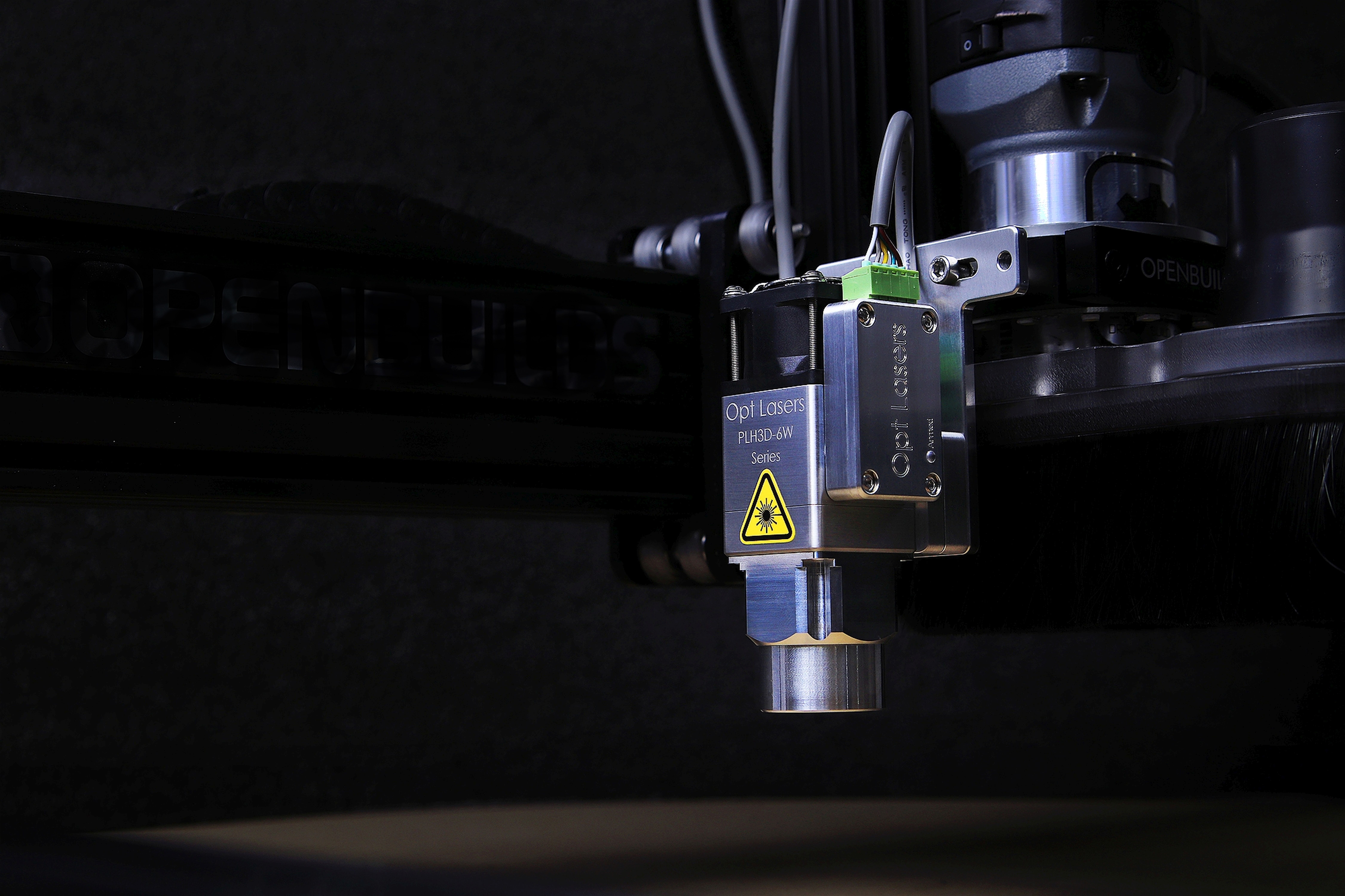
More advanced work uses3D laser engraving, where depth is controlled layer by layer to create raised-looking effects, detailed artwork, and complex relief. On curved or deep surfaces, a system with 5-axis movement can tilt the beam and rotate the part so the laser stays at the correct angle, holding detail where a flat-bed machine would lose it.
Laser engraving works across a wide range of materials used in industry.
Metals such as steel, stainless steel, aluminium, and brass are common, especially for tools, dies, moulds, and components. Engineering plastics are engraved for tooling and certain product features. Coated and anodised surfaces take engraving well and can give strong contrast. The right settings change with each material, so an experienced shop that works across many substrates gives more consistent results than one that engraves occasionally.
The uses fall into a few clear groups.
On moulds and tools, engraving adds logos, part numbers, cavity identification, and 3D relief that transfers onto every moulded part. On products, it creates permanent branding, model names, and decorative detail. On industrial components, it marks identification that must last. And in combination with surface work, an engraved logo often sits alongside a textured or polished finish on the same tool.
These three terms are often mixed up, so it helps to separate them.
Laser marking alters the surface to create high-contrast information such as serial numbers, QR codes, and small logos, without cutting deep. Laser etching removes a thin layer to create a shallow, often frosted or raised mark. Laser engraving goes further, removing more material to build real depth and relief.
In short, marking is about information on the surface, etching is a light bite into it, and engraving is depth you can feel. The right choice depends on whether you need durable information, a subtle finish, or a physical design.
The reasons manufacturers choose it are consistent.
It is accurate, holding fine detail and clean edges that manual methods cannot match. It is repeatable, because the digital file produces the same result every time and can be stored for future runs. It is permanent, resisting wear, heat, and cleaning. It is flexible, working across metals, plastics, and coated surfaces and across flat and complex shapes. And it is clean, using no inks or consumables that fade or run out.
For work that has to look right and stay right for years, these add up to a strong case.
Two decisions shape the result. Depth should match the purpose: light for a simple mark, deeper for a bold logo or a relief that must transfer onto a part. Design quality matters just as much, because a clean vector or 3D file gives crisp edges, while a weak file produces broken lines that no machine can fix. A good shop reviews and prepares the artwork before touching the part, and runs a test where needed.
Simple flat engraving is within reach of basic machines. Work on moulds, curved surfaces, deep relief, and multi-cavity tools is where experience and the right equipment separate a clean result from a rough one. A specialist that also offers5-axis laser texturing, polishing, and marking can prepare the surface, engrave it, and inspect it in the correct order, rather than forcing every job onto one machine.
The file you supply does more to decide quality than most people expect. A clean vector or 3D file gives sharp, closed lines that the laser can follow precisely, while a low-resolution image forces the machine to trace rough edges that show up as broken or fuzzy detail. Before any part is touched, an experienced shop reviews the artwork, repairs weak lines, sets the correct scale and position, and, for relief work, builds the depth layers the design needs. Where the result matters, a test on a sample confirms the look before the real part is committed. Supplying the design as a vector, along with the exact dimensions, the position on the part, and the depth you want, speeds up the quote and removes guesswork. Good preparation is the difference between a mark that looks machine-made and one that looks hand-finished.
Jai Ambay Etching Process has provided precisionlaser engraving and surface finishing since 1996, more than 30 years from our Bawana, Delhi NCR facility, trusted by manufacturers supplying Maruti Suzuki, Samsung, Michelin, and Bata. Because we run engraving, 3D engraving, marking, texturing, polishing, and coating in one place, we can match your job to the right process and deliver it under one roof.
Send your design and part details for a free quote within 24 hours. Call +91 98109 88206, message us on WhatsApp, or use thecontact page.
It is a process that uses a focused laser to remove material from a surface, creating permanent depth, relief, and designs you can feel.
Metals such as steel, stainless, aluminium, and brass, plus engineering plastics and coated or anodised surfaces, each with tuned settings.
Yes. The design is cut into the material, so it resists wear, heat, and cleaning far better than printed or ink methods.
Marking alters the surface for high-contrast information without depth. Engraving removes material to build real, tactile depth.
Yes. A 5-axis system tilts the beam and rotates the part so it can engrave curves, ribs, and deep areas accurately.
A clean vector or 3D file gives the best result, along with the dimensions and required depth. A shop can also build a file from a sample.
©2026 Jai Ambay Etching Process. All Rights Reserved.