
Every plastic part that leaves an injection mould carries the exact surface of the tool that made it. If the mould is polished, the part is glossy. If the mould is textured, the part shows a grain, a matte finish, or a pattern. Injection mould texturing is how manufacturers control that surface, and it does far more than improve looks. This guide explains the benefits, the finishes available, and how the process actually works.
Injection mould texturing is the process of adding a pattern or finish to the cavity surface of an injection mould, so that every moulded part reproduces that texture automatically. The finish can range from a fine matte to a deep leather grain, a geometric pattern, or a fully custom design.
The texture is applied to the working surface of the tool itself, not to the part. This is exactly why the result stays consistent across an entire production run, whether that run is a few hundred parts or several hundred thousand.
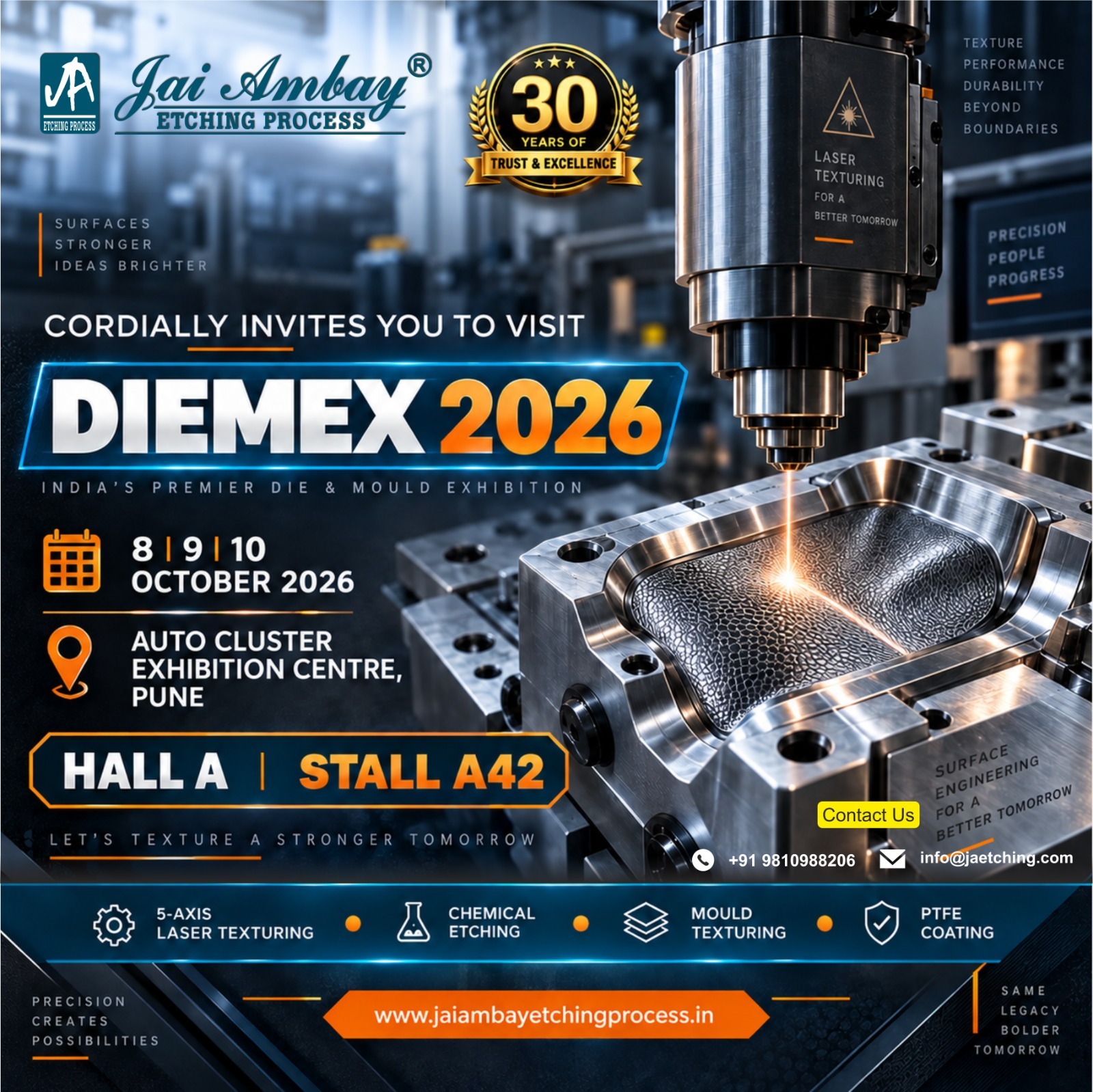
The two main methods used today are5 axis laser texturing, which follows a digital design with a controlled beam, andchemical etching, which uses masking and chemical solutions to bite the pattern into the steel. Both produce durable, long-lasting texture, and each suits certain jobs better than the other.
Modern 5-axis laser texturing machines can tilt the laser head and rotate the mould during the process, which keeps the beam correctly angled even on curved and complex surfaces. These machines handle moulds up to 800 mm × 800 mm × 900 mm, with mould weights up to 1.2 tons, and reproduce a digital pattern across every cavity with an accuracy of ±5 microns. Chemical etching remains a strong option for very large mould surfaces, up to around 4 × 8 feet, and for certain deep, organic grain patterns that suit that process particularly well.
Texture solves several real production problems at once, not just one.
It improves appearance, giving parts a premium matte or grained look instead of a plain shine
It hides minor defects, because a grain masks flow lines, weld lines, and small surface marks that would otherwise show clearly on a glossy part
It adds grip and feel, which matters directly on handles, panels, and consumer products that are held or touched
It reduces glare, particularly important on surfaces such as automotive interiors and instrument panels
It can improve part release and reduce visible scratches during handling on the production line
For most consumer and automotive parts today, texture is not a luxury add-on. It is a functional requirement built into the product specification from the start.
The right finish depends on the product itself and the brand look it needs to carry.
A fine matte reduces gloss and fingerprints, suiting electronics housings and premium consumer goods. A leather or natural grain gives a warm, premium feel, common in automotive interiors and appliances. Geometric and technical patterns suit electronics and tools where a more precise, engineered look is wanted. A custom pattern can carry a brand's own proprietary design, unique to that product line.
Depth is chosen alongside the pattern because it affects both how strongly the texture reads on the finished part and how well it holds up over the life of the tool. A good provider matches both the pattern and the depth to the plastic being used and the production run, rather than defaulting to the finest grain available for its own sake.
Texturing follows a clear, repeatable sequence from start to finish.
The tool is inspected for rust, scratches, and any existing old texture, and the target finish is agreed against a physical reference
The surface is prepared, often throughmould polishing, because any defect left under the texture will show through on the finished part
The pattern is applied using either the laser or chemical method, depending on the tool and finish
Depth and coverage are checked carefully, and every cavity on a multi-cavity tool is verified to match
The mould is cleaned and inspected before it goes back into production
Because laser texturing works from a stored digital file, the same grain can be repeated exactly across every cavity, and reproduced later if the tool is refreshed or a duplicate cavity is needed. This repeatability is a major reason demanding, high-value tools have increasingly moved toward laser texturing over older methods. You can see the full range of this service on ourmould texturing page.
On a multi-cavity injection mould, parts must look identical regardless of which cavity produced them. That means the texture has to match across every cavity in both depth and appearance, since even small variations become obvious once parts are packed or assembled side by side.
A digital pattern makes this genuinely reliable, since the same file drives every cavity, and each one is positioned and checked individually during the process. Loose cavity matching is one of the most common causes of parts that look subtly different within the same pack or batch, so it is worth confirming directly with your provider that this checking step is part of their standard process, not an optional extra.
Texture wears gradually over the working life of a tool, and how fast it wears depends mostly on the plastic being moulded and the production volume. Abrasive glass-filled and mineral-filled compounds wear a grain down faster than plain, unfilled resins.
Correct draft angle and gentle ejection reduce drag on the textured surface, and where sticking is a genuine problem, aPTFE non-stick coating can reduce friction and ease the strain on the surface with every cycle. Keeping the original digital pattern file on record means a worn texture can be refreshed to match the original exactly when that day eventually comes, rather than starting the design process over from scratch.
For most modern injection moulds, laser texturing offers strong accuracy, seamless patterns without visible joint lines, even depth across the whole surface, and reliable repeatability across cavities. It also handles complex geometry well, including side walls, ribs, and deep pockets that older single-angle methods genuinely struggle with.
Chemical etching remains a practical, proven choice for some very large surfaces and for certain deep, natural grain patterns that suit the process particularly well. The best choice ultimately depends on the specific tool and the finish you need, which is why working with a provider who genuinely offers both methods matters. Only then can the recommendation be based on what actually suits your mould, rather than on whichever process happens to be the only one the provider owns.
Textured injection moulds are everywhere in modern manufacturing, across a wide range of sectors.
Automotive makers use grained and matte finishes on dashboards, door trims, and interior panels to cut glare and lift the overall cabin feel for the end customer. Appliance and electronics brands texture housings, remotes, and casings for both a premium look and better grip in the hand. Consumer goods, packaging, and personal care products use fine patterns and matte finishes to stand out on a crowded retail shelf. Footwear and lifestyle brands texture soles and components for both grip and visual appeal.
In each of these cases, the texture is not decoration alone. It shapes how the product is judged, handled, and used every single day, which is exactly why texturing is specified at the design stage of a product, rather than added as an afterthought once the tool is already built.
A clear brief gives you a more accurate quote and helps avoid rework later. Share the following wherever possible:
The mould drawing and photographs of the current condition
The mould size and weight
The exact area that needs to be textured
The pattern you want, or a physical reference sample
The required depth
The number of cavities on the tool
The current surface condition
Your required delivery date
The clearer the information you provide upfront, the tighter the quote will be, and the closer the finished result will match what you actually had in mind.
Jai Ambay Etching Process has textured injection moulds since 1996, with more than 30 years of surface engineering experience from our facility in Bawana Industrial Area, Delhi NCR. We prepare, texture, coat, and inspect tools in one place, keep your pattern on file for future reference, and match the method to your specific part rather than to whichever process we happen to prefer.
Send your mould drawing, photographs, and reference texture for a free quote within 24 hours.
Call +91 9717795906, message us on WhatsApp, or use our contact page.
It is adding a grain, matte, or pattern finish to an injection mould's cavity, so every moulded part reproduces that texture consistently.
Texture improves appearance, hides flow and weld lines, adds grip, cuts glare, and can help part release, making it a functional requirement on many parts.
Laser texturing gives seamless, repeatable patterns and handles complex tool geometry well. Chemical etching still suits some very large surfaces and certain deep, natural grains.
Yes. A digital pattern drives each cavity, and every one is checked individually, so parts look identical whichever cavity they came from.
Often for the full production life of the tool, depending on the plastic being used, production volume, and how the mould is maintained. Abrasive, filled resins wear texture faster than plain resins.
Yes. With the surface properly re-prepared and the original digital file on record, the same grain can be reproduced accurately on the tool.
©2026 Jai Ambay Etching Process. All Rights Reserved.