Aluminium turns up everywhere, from housings and brackets to nameplates and machine parts. Putting a permanent design or code on it is a job for an aluminium laser engraver, and the results depend heavily on getting the laser and the settings right. This guide explains how aluminium is engraved, why it behaves differently from other metals, and how to get a clean, lasting result.
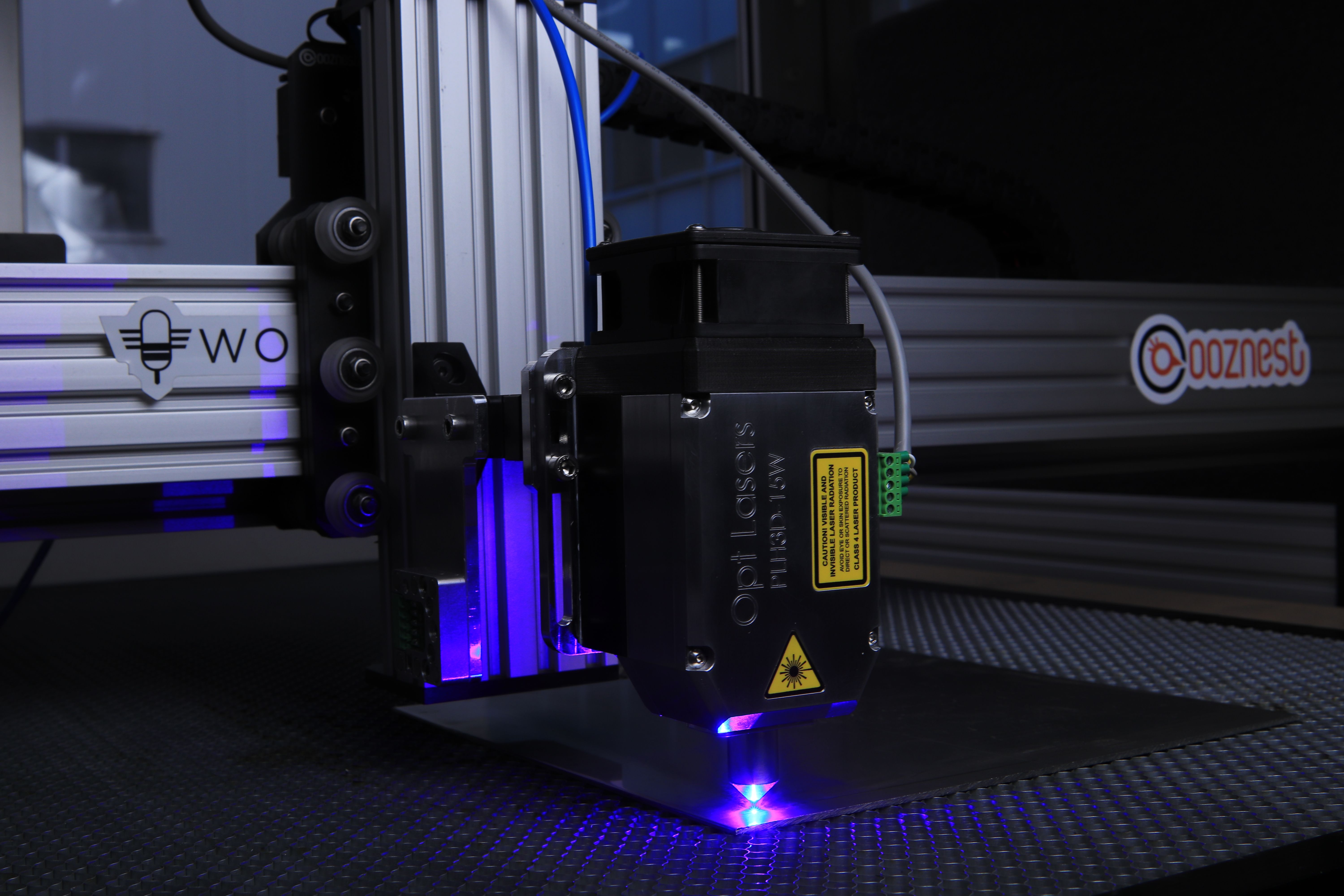
An aluminium laser engraver uses a focused beam to change or remove material on an aluminium surface. Depending on the settings, the same setup can lightly mark the metal for high contrast, etch a shallow frosted line, or engrave deeper to create real depth you can feel. The beam follows a digital file, so the design is repeated exactly on every part.
The point is permanence. Because the mark is made in the metal itself rather than printed on top, it survives handling, heat, and cleaning, which is why it is used for serial numbers, logos, and identification that must last the life of the part.
Aluminium is shiny and reflective, and it conducts heat quickly. Both properties matter. A reflective surface bounces some laser energy away, and fast heat conduction spreads energy before it can do focused work. This is why a fibre laser, which aluminium absorbs well, is the usual choice for engraving and marking the metal, and why loose settings give weak, grey results.
Getting a crisp mark on aluminium is therefore about control: the right laser type, the right power and speed, and the right focus for the specific surface. A shop that engraves aluminium regularly has these dialled in, while an occasional operator often struggles to get consistent contrast.
The surface changes the approach.
On bare aluminium, the laser can create a darker, contrasting mark or cut into the metal for depth. Contrast comes from changing the surface, so settings are tuned to get a clean, readable result against the metal's own bright color.
On anodized aluminum, there is a thin colored oxide layer on top. A laser can remove or lighten that layer to reveal the metal beneath, producing a sharp, high-contrast mark without cutting deep. This is a favourite for nameplates and branded parts because the result is clean and durable. Knowing whether your part is bare or anodized changes the plan, so it is worth telling your shop up front.
The same machine can do three related jobs, and picking the right one saves money.
Job | What it does | Best for |
Marking | High-contrast surface mark | Serials, codes, logos |
Etching | Shallow frosted or raised line | Subtle branding, fine detail |
Engraving | Deeper cut with real depth | Tactile logos, relief, wear areas |
If you only need a readable code,laser marking is fast and enough. If you want a design with physical depth,laser engraving is the route, and for detailed relief,3D laser engraving controls depth layer by layer.
Aluminium engraving and marking cover a broad range of parts.
Common items include nameplates and rating plates, control panels and labels, brackets and housings with part numbers, tools and fixtures with identification, and branded products with permanent logos. Traceability marks such as serial numbers, QR codes, and data matrix codes are especially common, because aluminium parts often need to be tracked through production and service.
People searching for an aluminium laser engraver sometimes want to buy a machine, and sometimes want the work done. Both are valid, but they suit different needs.
Buying a machine makes sense for very high, ongoing in-house volume, and it comes with cost, training, maintenance, and the learning curve of getting settings right for each surface. Using a service makes sense when you want guaranteed results without owning equipment, when parts vary, or when the same job also needs preparation, marking, or a matched finish. A specialist has the fibre laser, the settings, and the experience to deliver clean contrast from the first piece.
Whichever route you choose, a few things drive quality. Use the right laser for aluminium. Match settings to bare or anodized surface. Start from a clean vector file so edges are sharp. Confirm the surface is clean, since oil or oxide can dull the mark. And run a test piece in your actual material before committing a batch, because contrast is easy to judge by eye and hard to guess.
Three things shape how good an aluminium mark looks. The first is the laser and its settings. Power, speed, and focus have to suit the surface, and the sweet spot for bare metal is different from the one for an anodized coating. Push too hard and the mark burns or spreads. Go too light, and the contrast is weak and grey. The second is surface condition. Oil, oxide, or dirt on the part dulls the result, so a clean surface is part of the job, not an afterthought. The third is the artwork. A sharp vector file gives clean edges, while a rough image traces rough lines that no setting can rescue.
Because aluminium is reflective and conducts heat quickly, holding all three in balance takes practice. This is why the same design can look crisp from one shop and grey from another. Asking for a test piece in your exact material is the simplest way to confirm the result before a full run.
Jai Ambay Etching Process has delivered precision laser engraving, marking, and surface finishing since 1996, more than 30 years from our Bawana, Delhi NCR facility, trusted by manufacturers supplying Maruti Suzuki, Samsung, and Michelin. We handle bare and anodised aluminium, match the job to marking, etching, or engraving, and inspect the result before it leaves.
Send your part and design for a free quote within 24 hours. Call +91 98109 88206, message us on WhatsApp, or use thecontact page.
It uses a focused laser to mark, etch, or engrave a permanent design or code on aluminium, following a digital file for exact repeats.
Aluminium is reflective and conducts heat fast. A fibre laser is absorbed well by the metal, giving crisp, consistent marks.
Yes. The laser removes or lightens the colored oxide layer to reveal the metal beneath, giving a sharp, high-contrast mark.
Yes. Because it is made in the metal itself, it resists handling, heat, and cleaning far better than printed labels.
Buy for very high in-house volume. Use a service for guaranteed results, varied parts, or jobs that also need finishing.
A tuned setup gives a clean, readable mark against the bright metal. A test piece in your material confirms it before a batch.
©2026 Jai Ambay Etching Process. All Rights Reserved.